Introduction to Modular Manufacturing
Modular Homes, From Design to Driveway
Understanding the modular home design and approval process — and where Craft Home Plans eliminates the biggest delays.
Every circle, diamond, and decision point in the traditional process is a potential delay.
Craft Home Plans doesn't eliminate the approval process — that's essential for building safe, code-compliant homes.
We eliminate the uncertainty.
Instead of wondering if your plans will pass, you know they will. Instead of waiting months for revisions, you get guidance in days. Instead of navigating this process alone, your lead by experienced engineers who've done this hundreds of times.
The Result: You spend less time and money on paperwork and more time doing what you do best —manufacturing quality homes.
The Modular Design Process
Building a modular home involves multiple stakeholders, rigorous approvals, and precise coordination.
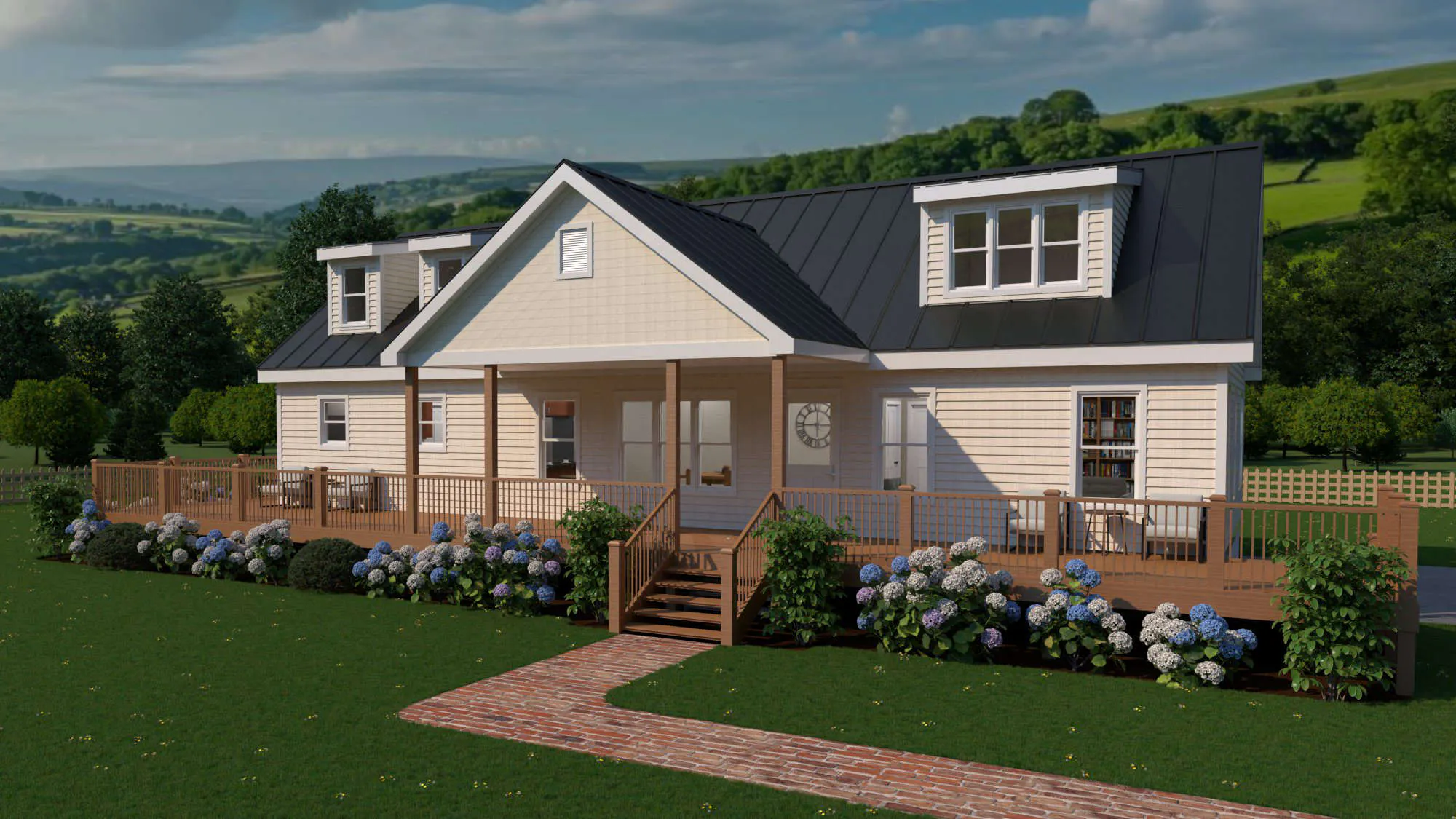
Stage 1: Starting Out
Decision Point: What are you building? Are you building IRC-compliant permanent homes?
If yes, you're in the right place. Modular homes for permanent residency must meet the International Residential Code (IRC) and all applicable state and local building codes —standards that are often more stringent than traditional stick-built construction.
If no, you may be looking at recreational vehicles, park models, or manufactured housing, which follow different standards (HUD code, for example). That's not what we do.
This is where most delays start: New manufacturers often don't realize how different the engineering and approval requirements are for permanent modular homes versus other factory-built structures.
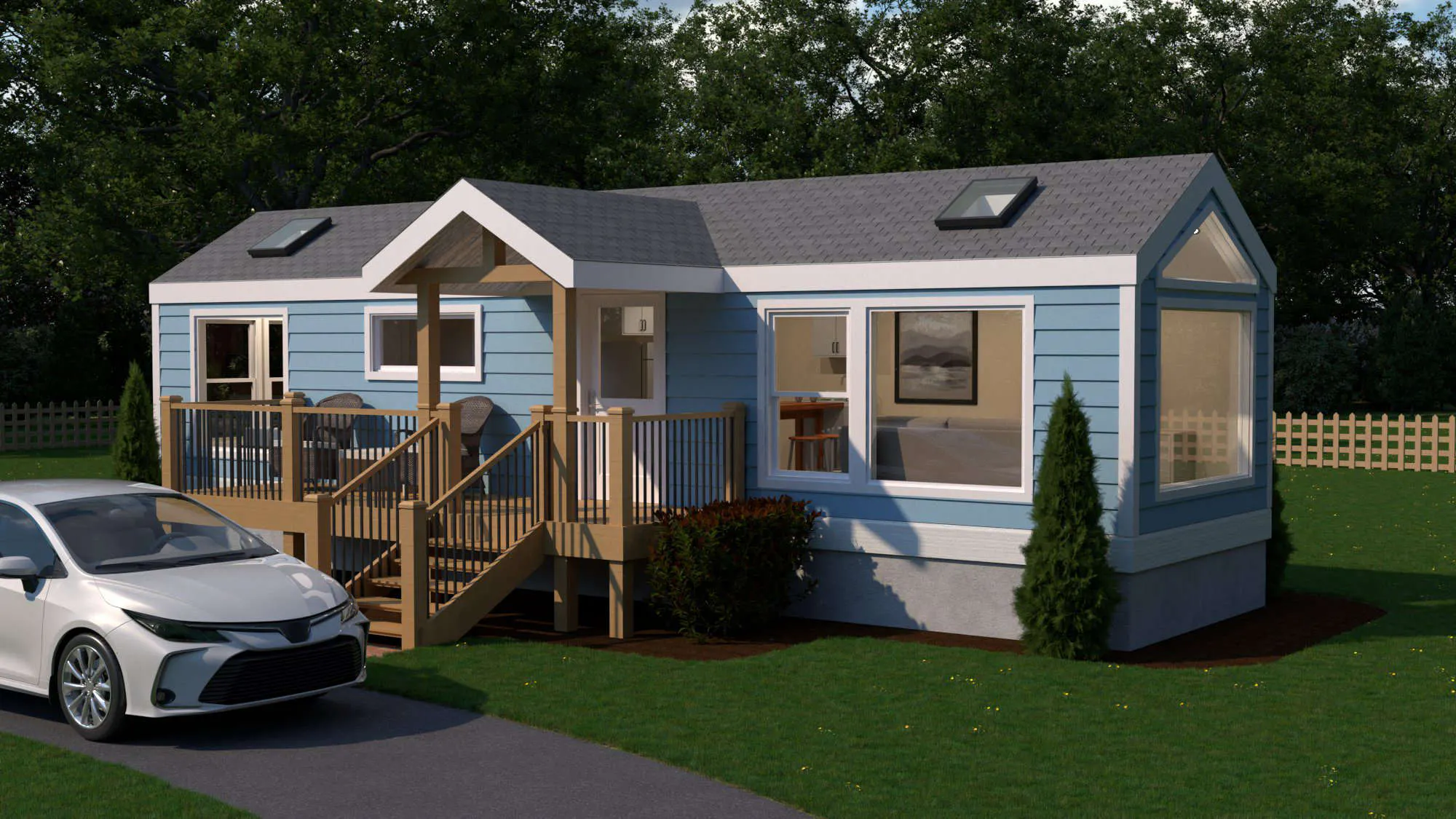
Stage 3: Third-Party Approval
Once complete, manufacturer submits to a third-party engineering firm for review. This firm verifies:
Structural engineering compliance
Code adherence
Manufacturing feasibility
Transport and installation specifications
If the third party approves, review moves to state inspection submission. Otherwise, the manufacturer revises and resubmits (requiring weeks or months).
The Craft Home Plans Approach
Our plans are already engineered to third-party standards. Submission becomes a verification, not a discovery process.
We provide all required documentation pre-compiled
Plans include third-party engineering certifications
Revisions are typically minor jurisdiction-specific details
We support you through any required changes
What typically takes multiple revision cycles happens in one pass.
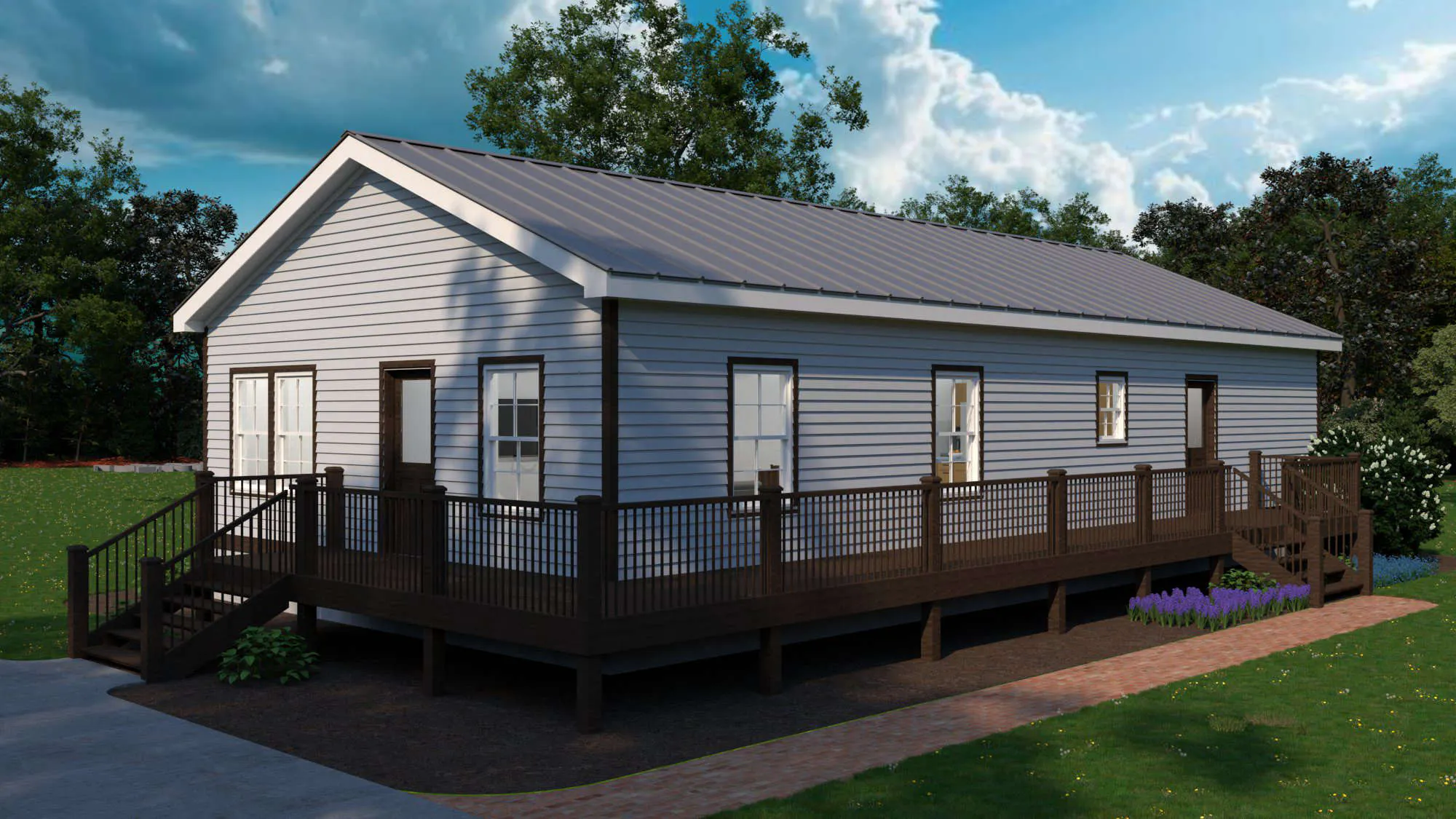
Stage 5: Production
With approved plans in hand (finally), the manufacturer:
Orders materials based on plan specifications
Builds modules in factory according to exact plans
Coordinates quality control inspections during build
Prepares modules for transport
If questions arise or extra design is needed, the traditional approach means delays while waiting for additional engineering.
The Craft Home Plans Approach
We provide ongoing support through production:
Answer manufacturer questions in real-time
Address field issues as they arise
Provide clarification on specifications
Ensure smooth production flow
Craft doesn't sell you plans and disappear, but supports you through the entire build to ensure success.


Timeline Comparison
Traditional Custom Engineering
- Plan development: 6-18 months
- Third-party review: 4-12 weeks (often multiple rounds)
- State inspection: 4-8 weeks (often multiple rounds)
- Total before production starts: 8-24 months
Craft Home Plans
- Plan selection: Same day
- Third-party review: 2-4 weeks (typically one round)
- State inspection: 2-4 weeks (typically one round)
- Total before production starts: 4-8 weeks
Ready to Skip the Development Phase?
Spend less time and money on paperwork and more time doing what you do best — manufacturing quality homes.